

Biokinetics for Injury Prevention: Building Movement Health That Lasts
In South Africa, where active lifestyles and outdoor activities are part of daily life, maintaining movement health is essential. Injuries can disrupt routines, reduce quality of life, and lead to long-term mobility issues. Biokinetics offers practical solutions to prevent injuries and support healthy movement throughout life. This post explores how biokinetics helps protect your body, improve daily movement, balance strength, and promote longevity.
This area of biokinetics at Peak Movement in Cape Town is led by Luyolo Cengimbo, a biokineticist who runs the practice's structured knee and return to loading programmes.
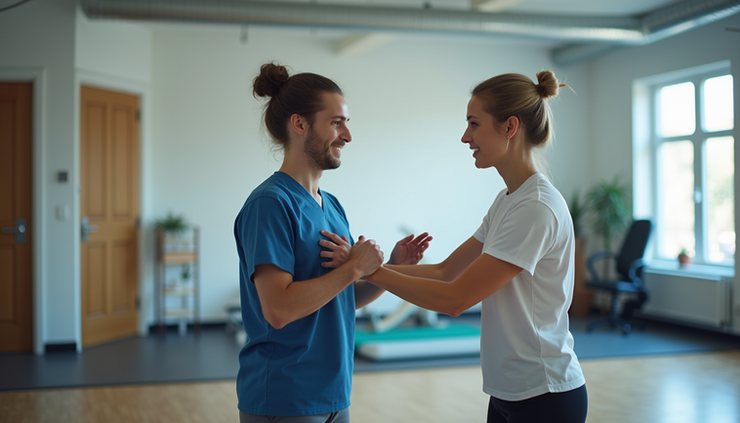
How Biokinetics Prevents Injuries
Injury prevention is a key focus of biokinetics. The approach involves assessing movement patterns, muscle imbalances, and joint function to identify risks before injuries occur. Here’s how biokinetics supports injury prevention:
Movement Assessment: A biokineticist evaluates how you move during everyday tasks or sports. This helps spot weaknesses or poor technique that could cause injury.
Targeted Exercise Programs: Based on assessments, specific exercises improve flexibility, strength, and coordination. For example, strengthening the muscles around the knee can reduce the risk of ligament injuries.
Education on Body Mechanics: Learning correct posture and movement habits reduces strain on joints and muscles.
Rehabilitation Support: After an injury, biokinetics guides safe recovery to prevent re-injury and restore full function.
For South Africans who enjoy hiking, running, or team sports, these injury prevention strategies help keep you active and pain-free.
Enhancing Movement Efficiency for Daily Life
Biokinetics is not just for athletes. It improves how your body moves during daily activities like walking, climbing stairs, or lifting objects. Efficient movement reduces fatigue and wear on your body.
Improved Joint Mobility: Exercises increase the range of motion in stiff joints, making movements smoother.
Better Muscle Coordination: Training helps muscles work together, so movements require less effort.
Posture Correction: Good posture supports balance and reduces the risk of falls or back pain.
Energy Conservation: Efficient movement means your body uses less energy, helping you stay active longer.
For example, a biokineticist might help an office worker improve posture and core strength to avoid back pain from sitting long hours. This practical support enhances everyday comfort and function.
“Almost every overuse injury I see is a load problem wearing a technique costume,” says Luyolo Cengimbo, a biokineticist at Peak Movement in Cape Town. “Fix how quickly the load climbs and a lot of the problem disappears on its own.”
Achieving Strength Balance to Support Overall Health
Muscle imbalances can cause pain and increase injury risk. Biokinetics focuses on creating strength balance across muscle groups to support joints and maintain stability.
Balanced Muscle Development: Exercises target weaker muscles to match the strength of stronger ones.
Joint Stability: Balanced muscles protect joints from excessive stress.
Reduced Pain: Correcting imbalances can relieve chronic pain, such as in the lower back or shoulders.
Improved Performance: Balanced strength enhances physical abilities and reduces fatigue.
For instance, many South Africans experience knee pain due to weak thigh muscles. Biokinetics programs strengthen these muscles, reducing pain and improving mobility.
Promoting Longevity and Active Lifestyles
Biokinetics supports healthy aging by maintaining movement and independence. Staying active is crucial for long-term health, and biokinetics helps make this possible.
Maintaining Muscle Mass: Exercises slow age-related muscle loss, preserving strength.
Enhancing Balance and Coordination: This reduces the risk of falls, a major concern for older adults.
Supporting Cardiovascular Health: Movement programs encourage regular physical activity, benefiting heart health.
Encouraging Consistent Activity: Biokinetics provides motivation and guidance to keep moving safely.
Older adults who work with biokineticists often report better mobility, less pain, and greater confidence in daily activities. This translates to a higher quality of life and independence.


Comments