

Sports Massage in Cape Town: How It Supports Athletic Recovery

Athletes constantly push their bodies to the limit, seeking every advantage to improve performance and reduce injury risk. One powerful yet often overlooked tool in this pursuit is sports massage therapy. In Cape Town, where outdoor sports and fitness culture thrive, sports massage plays a crucial role in helping athletes recover faster, train smarter, and perform better.
Sports massage at Peak Movement in Cape Town is delivered by Sergio Rossouw, who works with athletes across the training week rather than only after hard sessions.
This post explores how sports massage supports athletic performance, aids injury prevention, and enhances overall physical well-being. It also highlights the connection between massage, physiotherapy, and training, offering practical insights for athletes and fitness enthusiasts in Cape Town.
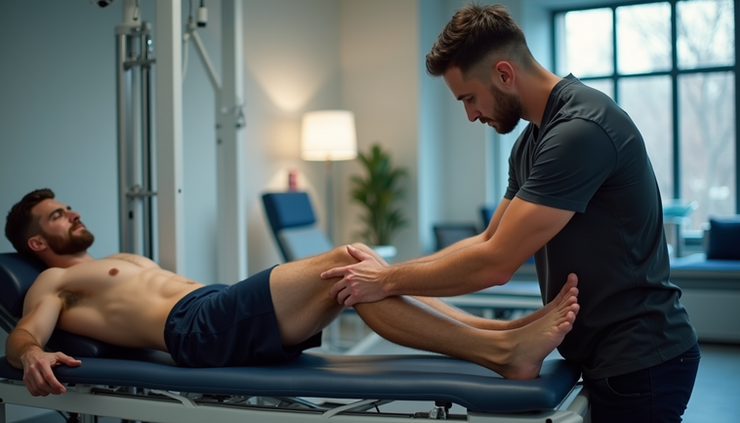
Sports massage therapy in Cape Town helps athletes recover and improve muscle function.
How Sports Massage Enhances Athletic Performance
Sports massage targets muscles, tendons, and connective tissues with techniques designed to improve circulation, flexibility, and muscle tone. For athletes, this means:
Improved blood flow delivers oxygen and nutrients to muscles, accelerating recovery after intense training or competition.
Reduced muscle tension helps maintain optimal range of motion, which is essential for efficient movement and injury prevention.
Enhanced muscle flexibility lowers the risk of strains and sprains by preparing muscles for physical demands.
Faster removal of metabolic waste such as lactic acid, reducing soreness and fatigue.
For example, a Cape Town marathon runner who incorporates regular sports massage into their routine often experiences less muscle tightness and quicker recovery times between training sessions. This allows for more consistent training and better race performance.
Sports Massage as a Vital Recovery Tool
Recovery is a critical phase in any athlete’s training cycle. Sports massage supports this phase by:
Stimulating muscle repair through increased circulation and gentle manipulation of soft tissues.
Reducing inflammation in overworked muscles and joints.
Promoting relaxation which helps lower cortisol levels and supports mental well-being.
Breaking down scar tissue that can form after injuries, improving tissue elasticity and function.
Athletes recovering from minor injuries or intense workouts benefit from targeted massage techniques such as deep tissue massage, myofascial release, and trigger point therapy. These methods help restore muscle balance and prevent chronic issues.
Injury Prevention Through Regular Sports Massage
Injuries often result from muscle imbalances, tightness, or overuse. Sports massage addresses these issues by:
Identifying and releasing tight or knotted muscles before they cause pain or injury.
Improving joint mobility through soft tissue manipulation.
Balancing muscle groups to reduce strain on tendons and ligaments.
Supporting proper posture and movement patterns which lowers injury risk.
For instance, a rugby player in Cape Town who receives regular sports massage may notice fewer hamstring strains and quicker recovery from contact injuries. This proactive approach keeps athletes in the game longer and reduces downtime.
“Timing matters more than pressure,” says Sergio Rossouw, a massage therapist and strength coach at Peak Movement in Cape Town. “A deep session two days before a race can leave you flat. The same session in a build week is useful. I ask what is in your calendar before I decide how to work.”
The Connection Between Sports Massage and Physiotherapy
Physiotherapy and sports massage often work hand in hand to support athletic health. While physiotherapy focuses on diagnosing and treating injuries, sports massage complements this by:
Enhancing tissue healing through improved circulation and reduced muscle tension.
Supporting rehabilitation exercises by preparing muscles and joints for movement.
Reducing pain and stiffness that can limit physiotherapy progress.
Helping maintain muscle balance to prevent re-injury.
Athletes in Cape Town who combine physiotherapy with regular sports massage often experience faster recovery and better long-term outcomes. This integrated approach ensures that both injury treatment and prevention are addressed.
How Sports Massage Supports Training Benefits
Training builds strength, endurance, and skill, but it also places stress on the body. Sports massage helps athletes maximize training benefits by:
Reducing muscle soreness so athletes can train more consistently.
Improving muscle elasticity which enhances power and speed.
Supporting nervous system recovery to maintain focus and coordination.
Encouraging better sleep which is essential for muscle repair and energy restoration.
A cyclist preparing for a Cape Town race, for example, might schedule sports massage sessions after long rides to reduce stiffness and improve recovery. This allows them to maintain high training volumes without burnout.
Choosing the Right Sports Massage in Cape Town
Finding a qualified sports massage therapist is key to unlocking these benefits. Look for professionals who:
Have experience working with athletes and understand sports-specific demands.
Use a variety of techniques tailored to individual needs.
Collaborate with physiotherapists and trainers for a holistic approach.
Provide clear advice on self-care and injury prevention.
Many Cape Town clinics offer specialized sports massage services designed to support athletes at all levels, from weekend warriors to elite competitors.


Comments