

Dry Needling in Cape Town: Which Conditions It Treats and What to Expect
Dry needling has become a popular treatment option for many people dealing with muscle pain and tension in Cape Town. If you have ever searched for dry needling near me or wondered how dry needling physiotherapy works, this post will provide clear, practical information to help you understand what to expect and how it might benefit you.
Physiotherapist Zoe Bredenkamp uses dry needling at Peak Movement in Cape Town for specific muscular pain patterns, alongside hands on treatment and loading work.
Dry needling is a technique used by trained physiotherapists to relieve muscle pain by targeting specific areas called trigger points. This blog explains how dry needling works, the conditions it treats, patient experiences, and why it is considered a safe and effective treatment option.

What Is Dry Needling and How Does It Work?
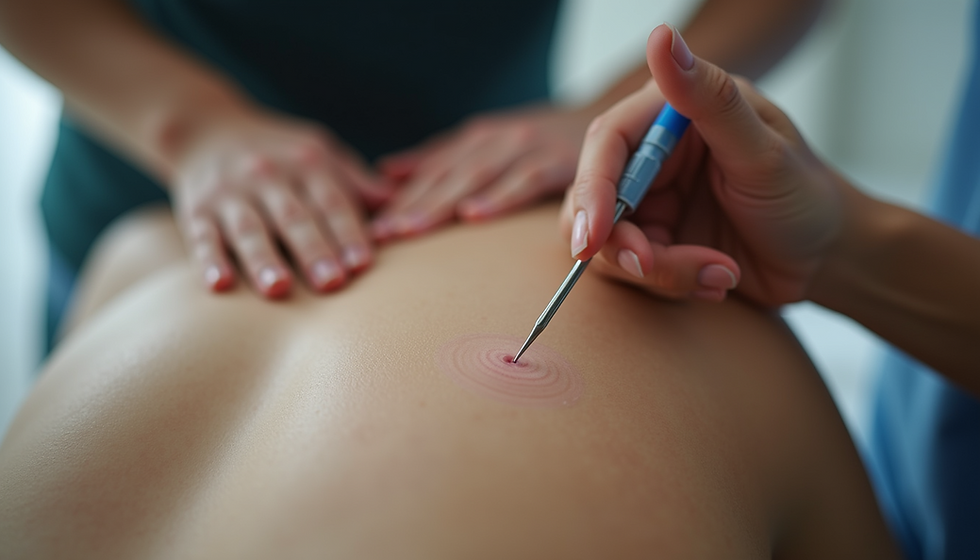
Dry needling involves inserting thin, sterile needles into tight muscle bands or trigger points to relieve pain and improve muscle function. Unlike acupuncture, which is based on traditional Chinese medicine, dry needling is grounded in Western medical principles and anatomy.
When a muscle develops a trigger point, it becomes tight and painful, sometimes causing referred pain in other areas. The needle stimulates the muscle, causing a twitch response that helps release the tightness and improve blood flow. This process can reduce muscle tension and promote healing.
Physiotherapists use dry needling as part of a broader treatment plan, often combined with exercises, manual therapy, and advice on posture or movement.
Conditions Treated with Dry Needling
Dry needling is effective for a variety of muscle-related conditions, including:
Muscle pain and stiffness: Chronic or acute muscle pain caused by overuse, injury, or poor posture.
Trigger points: Localized knots in muscles that cause pain and restrict movement.
Tension headaches: Muscle tightness in the neck and shoulders that contributes to headaches.
Sports injuries: Muscle strains and tightness that affect athletic performance.
Postural problems: Muscle imbalances established to discomfort and pain.
Rehabilitation after surgery: Helping muscles regain function and reduce pain.
For example, a patient with chronic neck pain due to desk work may find relief through dry needling combined with physiotherapy exercises to improve posture.
“Dry needling can settle a stubborn muscle quickly, and that window matters,” says Zoe Bredenkamp, a physiotherapist at Peak Movement in Cape Town. “What you do with the window is what changes the outcome. On its own, the relief tends to be temporary.”
What Patients Typically Experience During and After Treatment
Many patients feel a brief, mild discomfort when the needle is inserted, often described as a twitch or cramp in the muscle. This twitch response is a sign that the needle has reached the trigger point. The treatment usually lasts between 10 to 30 minutes depending on the number of areas treated.
After treatment, patients often report:
Reduced muscle tightness and pain
Improved range of motion
A feeling of relaxation in the treated muscles
Mild soreness or bruising at the needle sites, which usually fades within a day or two
Some patients notice immediate improvement, while others experience gradual relief over several sessions. It is common to feel some muscle soreness similar to after a workout, but this is temporary.
Evidence-Based Practice and Safety of Dry Needling
Dry needling is supported by research showing its effectiveness in reducing muscle pain and improving function. Studies have found that dry needling can help with conditions such as myofascial pain syndrome and tension-type headaches.
Physiotherapists who offer dry needling in Cape Town follow strict safety protocols. They use single-use, sterile needles and have specialized training to ensure the treatment is safe and appropriate for each patient.
If you are searching for dry needling near me, look for registered physiotherapists who use evidence-based techniques and explain the treatment clearly before starting.
Finding Dry Needling Physiotherapy in Cape Town
Cape Town has many qualified physiotherapists offering dry needling as part of their services. When choosing a provider, consider:
Their qualifications and experience with dry needling
Patient reviews and testimonials
Whether they offer a full physiotherapy assessment before treatment
Clear communication about what to expect during and after sessions
Dry needling physiotherapy can be a valuable part of your recovery or pain management plan. It works strong when combined with exercises and lifestyle advice tailored to your needs.


Comments